We Are the Limit - Token quotas, cognitive overwhelm, and the human ceiling of AI work
Hello,
I know people waking up at night because their token quota has renewed and they want to start another task. I know people who have been running 10, 12, 15 simultaneous AI projects across wildly different domains. Improving a post. Building a five year cost model. Scoping a product feature. Switching between them with no recovery time, no context landing, no single thread of thought to follow.
It is productive. It is also, in many cases, quietly unsustainable.
I notice it in myself. I have been prolific in a way I have not been before, like an artist throwing pages on the floor and starting again, over and over, full of ideas and energy for what can be made. I have grown and learned. I have genuinely loved what this capability makes possible.
I am also exhausted, and starting to wonder when I'll hit a limit.
The research is pointing at the human system
Three significant reports landed in the last few months and they are all pointing at the same thing, though it tends to get reported as a technology story, it's human.
Microsoft analysed trillions of anonymised Microsoft 365 signals and surveyed 20,000 workers using AI across 10 countries. Their conclusion was not just that AI lifts individual output, but that the real constraint is how work is structured around people. The organisations getting further are designing the human system around the work, not just adding more tools.
Deloitte surveyed 9,000 leaders across 89 countries. Their report is titled "Choosing the Human Advantage." The finding: in a world of increasing AI capability, human qualities like judgement, direction and accountability all become more valuable, not less. But only if the organisation is designed to protect and develop them.
Harvard Business Review, drawing on Gartner research, reported that only 1 in 50 AI investments deliver transformational value, and only 1 in 5 delivers measurable return on investment. That does not mean the technology is useless. It means the value is often being lost in the system around it, and in the humans being asked to direct it.
I think AI adoption will hit a natural ceiling, and that ceiling is human.
It is our capacity to direct the work, hold the context, and make the judgments that matter. Unless the science fiction version arrives sooner than expected, we are still the ones who have to know what we are trying to do.
The operating model is a human design problem
Most of the conversation about AI and operating models focuses on integration. Where does AI sit in the workflow? What gets automated? Who owns the outputs?
These are useful questions, but they start in the wrong place.
The important question is: what does the human need to be able to do well? To think clearly, direct effectively, and sustain the quality of judgment that makes any of this valuable? That is the operating model problem that is not being designed for, and I think it is the one that matters most right now.
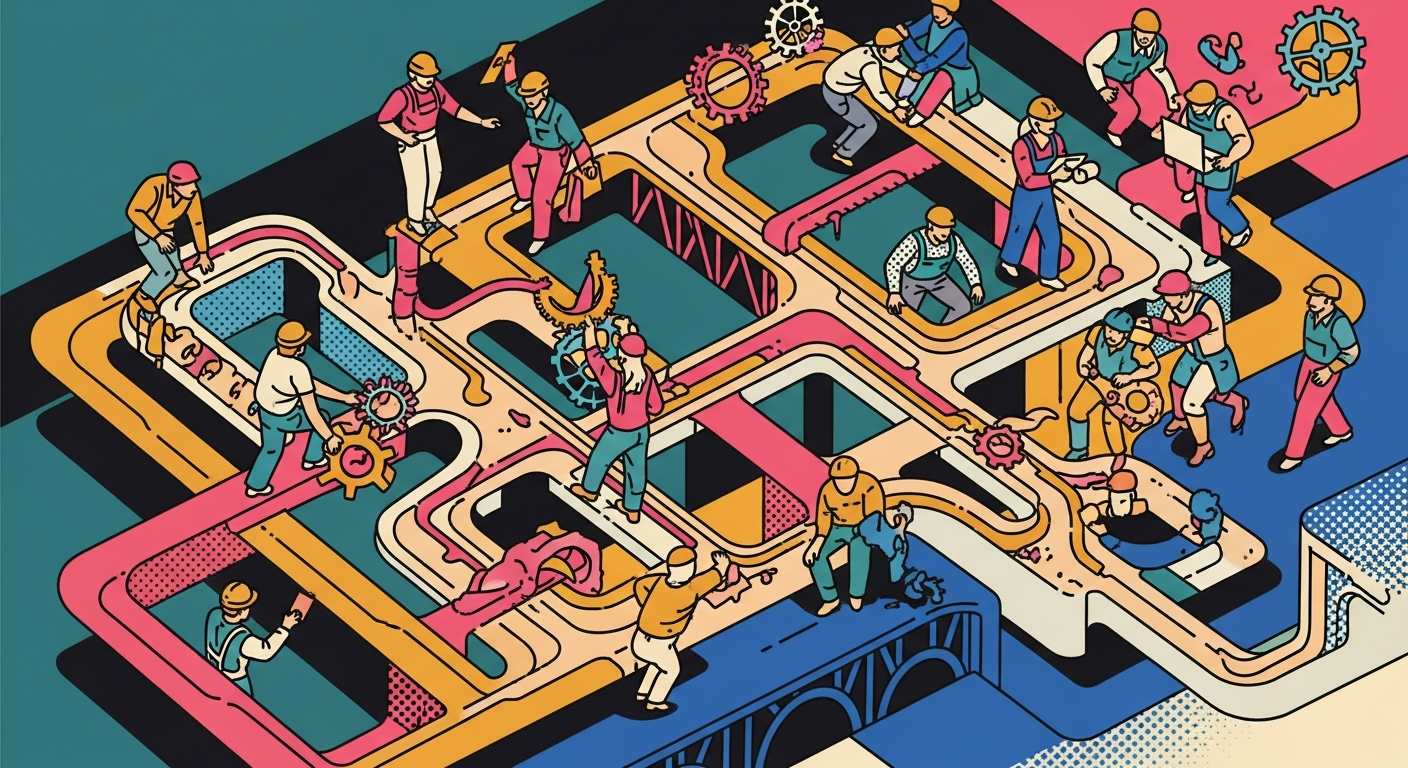
Organisations are already building AI governance policies that assume the human will show up fully resourced, cognitively available, and able to make considered decisions. That assumption deserves scrutiny.
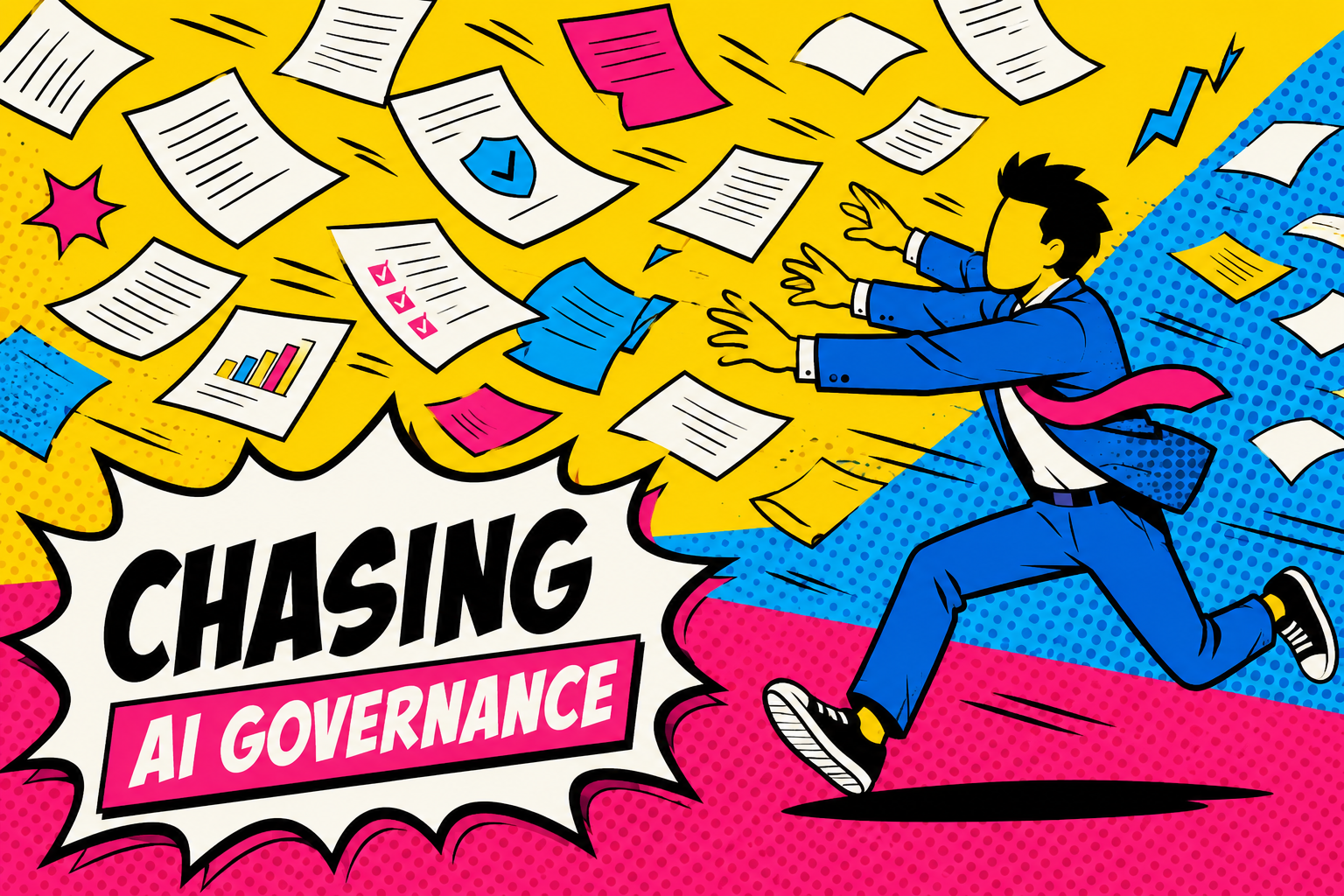
The decision culture question of whether organisations are structured to let human judgment actually land, is more urgent than ever if the humans doing the work are being spread this thin.
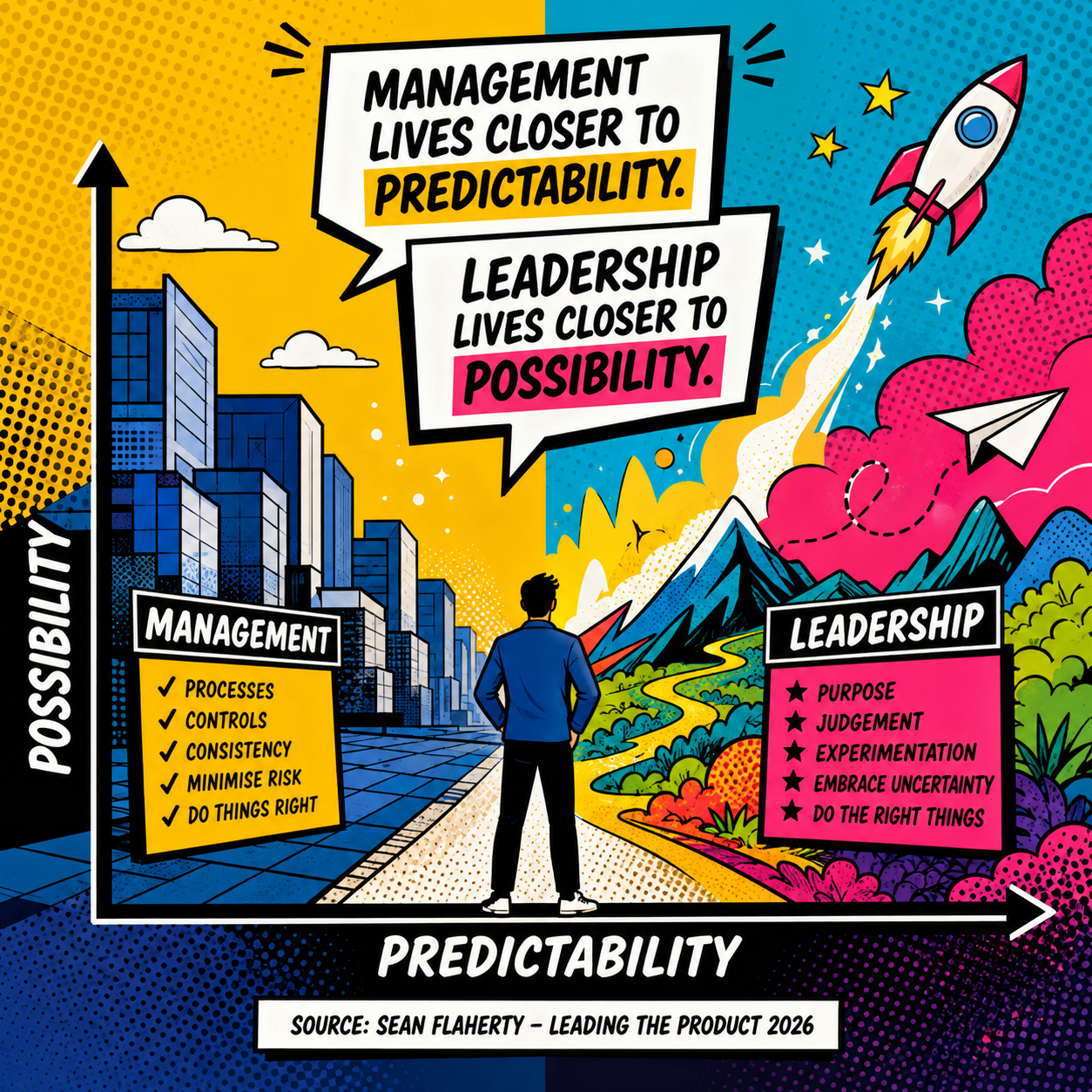
One more thing
The Product Strategy Model is now live, it's a ten-stage framework for building coherent product direction from the ground up. Step 09 is the operating model. The question of how humans hold it together is threaded through the whole thing. It's my first attempt at bringing together the work before the roadmap, which is more important now, than it ever has been.
See the Product Strategy Model →
The technology is not slowing down. The question I keep coming back to is whether we are building the human systems to keep pace with it, or whether we are just running faster until something gives.
I would love to know what you are seeing, and if you're also one of the token-junkies I've been hearing from.
Layla
P.S. You’re receiving this because you signed up to Spark Space, or because we already have a direct professional relationship and I thought this might be relevant to your work. You can unsubscribe anytime using the link below, no hard feelings.
Further reading
· Microsoft’s 2026 Work Trend Index on frontier firms and operating models · Deloitte’s Choosing the Human Advantage report · Harvard Business Review’s piece on work trends and AI investment returns · Max Schoening’s conversation with Lenny’s Newsletter on agency in the AI era
Enjoyed this issue?
Get new issues of The Pattern delivered directly to your inbox.